

A City Enveloped in Darkness
In December 1952, London vanished. For five days, a thick, toxic fog descended upon the capital, reducing visibility to near zero and bringing the city to a standstill. This was not a natural weather phenomenon, but a man-made disaster born from a lethal combination of meteorological conditions and industrial reliance on coal. The Great Smog of London serves as a stark reminder of the consequences of unchecked atmospheric pollution.
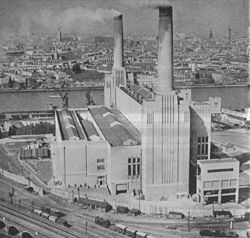
The crisis was triggered by a persistent anticyclone that settled over the region, creating a temperature inversion. This trapped stagnant air near the ground, preventing the dispersal of pollutants. At the time, London relied heavily on the burning of coal for heating and power. The post-war economy necessitated the use of low-grade, highly sulphurous coal, which released massive quantities of smoke, sulphur dioxide, and hydrochloric acid into the air. These chemicals interacted with water droplets to form a corrosive, acidic fog that penetrated homes and public buildings alike.
The human cost was staggering. While initial government estimates suggested 4,000 deaths, modern research places the toll between 10,000 and 12,000, primarily due to acute respiratory distress and bronchopneumonia. The event paralyzed public transport, forced the cancellation of all outdoor activities, and highlighted the total lack of infrastructure to deal with such extreme air quality degradation.
The Architects of Change
The catastrophe demanded an immediate and decisive government response. Sir Hugh Beaver, a distinguished civil engineer and industrialist, was tasked with leading the committee to investigate the disaster. His expertise in infrastructure and his role as a bureaucrat made him uniquely qualified to translate the scientific reality of the smog into actionable policy recommendations.
Once the committee identified the root causes, the political machinery began to turn. Duncan Sandys, serving as the Minister of Housing and Local Government, became the primary political champion for the necessary reforms. As a senior member of the Conservative government, Sandys navigated the complex legislative process required to turn the committee's findings into law.
Legislating for Clearer Skies
The culmination of these efforts was the Clean Air Act 1956. This landmark legislation fundamentally altered British environmental policy by establishing the principle of government intervention in air quality. It introduced smoke control areas where only smokeless fuels could be burned, effectively ending the era of widespread coal-fire pollution in urban centers.
To ensure compliance, the Act provided financial grants to householders, enabling them to convert traditional coal fires to cleaner alternative heating sources. This shift was not merely a technical change but a social one, marking a major transition in how the British public interacted with their environment. By reducing the density of smoke, the Act significantly decreased the prevalence of the infamous 'pea souper' fogs that had plagued London for generations.
The legacy of the 1956 Act is profound. It established a precedent for regulating industrial and domestic emissions that would eventually influence environmental policies globally. While the specific regulations were superseded in 1993, the Act remains a testament to how a singular, catastrophic event can catalyze long-term, systemic change in public health and environmental governance.