Aristotree
darkoGarbo: Juan Pujol García, the spy
Juan Pujol García

Explore this episode

Garbo: Juan Pujol García, the spy

During World War II, double agent Juan Pujol successfully deceived the Germans into believing that the Allied invasion would take place at Calais, while Allied forces landed on the beaches of Normandy. How are Juan Pujol García and Normandy landings connected?

Concepts
57
Connections
79
Followers
0
Language
English
Collections

Key ideas

Episode guide

Juan Pujol García, widely known by his codename Garbo, was a pivotal figure in the Allied success during World War II. Recruited by MI5 in 1942, Pujol became a master of deception, working closely with his handler Tomás Harris to feed misinformation to the German Abwehr.
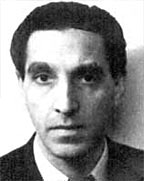
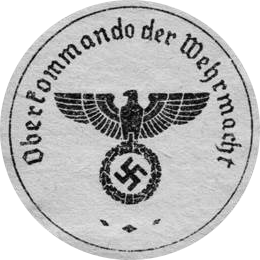
His efforts were central to the Double-Cross System, which aimed to protect the secrecy of Operation Overlord. Through the creation of an elaborate, imaginary network of 27 sub-agents, Pujol successfully convinced the German Oberkommando der Wehrmacht that the Allied invasion would occur at Pas-de-Calais rather than Normandy. This deception was a key component of Operation Fortitude, which operated under the broader strategic umbrella of Operation Bodyguard. By diverting German attention, Pujol helped ensure the success of the Normandy landings on June 6, 1944, allowing Allied forces to breach the Atlantic Wall and begin the liberation of Europe.
Interesting connections

Discover what connects these ideas — and why it matters.

These notes analyze unique links between concepts, treating them as two-way.

Main path through this episode

Build the foundations

Selected for graph relevance and prerequisite order.

7 concepts

Follow the story

  1. Normandy landingsStart here

    The Allied invasion of Normandy in 1944, during which Pujol's deception efforts were critical.

    Pujol provided strategic misinformation during the invasion.

    Pujol sent messages to the Germans that influenced their response to the Normandy landings.

    Juan Pujol García → Normandy landings

  2. Juan Pujol García

    A Spanish double agent who worked for the British during World War II, famously known by his codename Garbo.

    MI5 managed Pujol's activities.

    The text states that MI5 took him on in 1942 and gave him the codename Garbo.

    Juan Pujol García → MI5

  3. MI5

    The British domestic counter-intelligence and security agency that managed Juan Pujol García.

    Employed as an intelligence officer by

    Harris was recruited into MI5 during World War II to work on counter-intelligence and deception operations.

    Tomás Harris → MI5

  4. Tomás Harris

    Tomás "Tommy" Joseph Harris was a British art dealer and artist, who also served as an MI5 intelligence officer during World War II.

    Contributed to the success of

    Harris played a critical role in the deception operations that convinced the Germans of a fake invasion site, supporting the broader Operation Fortitude.

    Tomás Harris → Operation Fortitude

  5. Operation Fortitude

    Operation Fortitude was a military deception operation by the Allied nations as part of Operation Bodyguard, an overall deception strategy during the buildup to the 1944 Normandy landings.

    Deception campaign supporting the invasion

    Operation Fortitude was the critical deception campaign that convinced German command that the invasion would occur at Pas-de-Calais rather than Normandy, ensuring the success of Overlord.

    Operation Overlord → Operation Fortitude

  6. Operation Overlord

    Operation Overlord was the codename for the Battle of Normandy, the Allied operation that launched the successful invasion of German-occupied Western Europe during World War II.

    German intelligence agency targeted by deception

    The Abwehr was the primary German military intelligence service that the Allied deception operations (Fortitude) successfully fed with false information regarding the invasion plans.

    Operation Overlord → Abwehr

  7. Abwehr

    The Abwehr was the German military-intelligence service for the Reichswehr and the Wehrmacht from 1920 to 1944.

Graph communities

Explore graph communities

Groups of closely connected ideas, ranked by their internal connections and cohesion.

Keep this episode close

Follow this episode to save it to your collection, stay up to date, and learn from it. Fork it to make your own copy and extend the paths that spark your interest.

Sign up free