 01
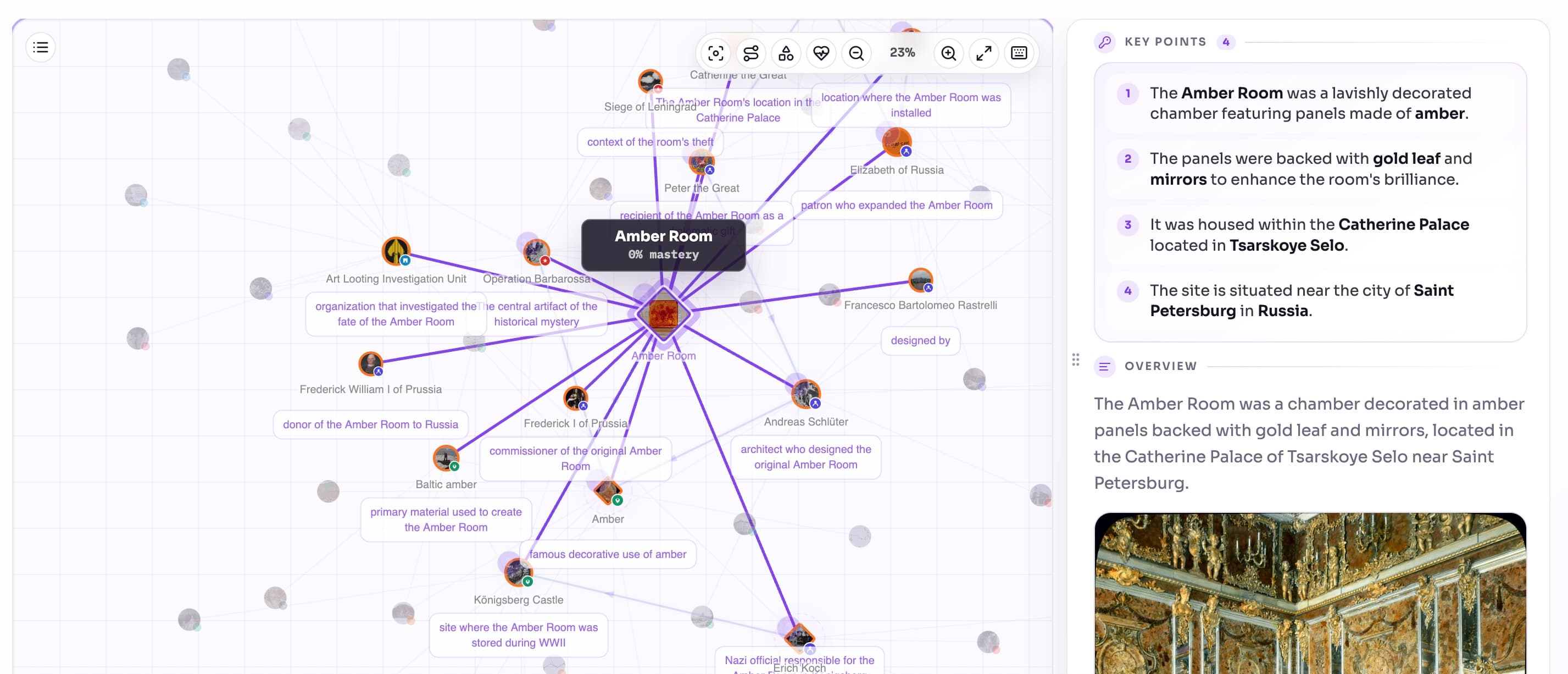
How to remember the history you read
A practical way to remember history books: capture a few discoveries, connect people and events, and test what you can recall.
Read the guideLearn
Practical ways to hold on to the people, events, and connections you discover in books, podcasts, documentaries, museums, and your own research.
History that stays with you
01A practical way to remember history books: capture a few discoveries, connect people and events, and test what you can recall.
Read the guide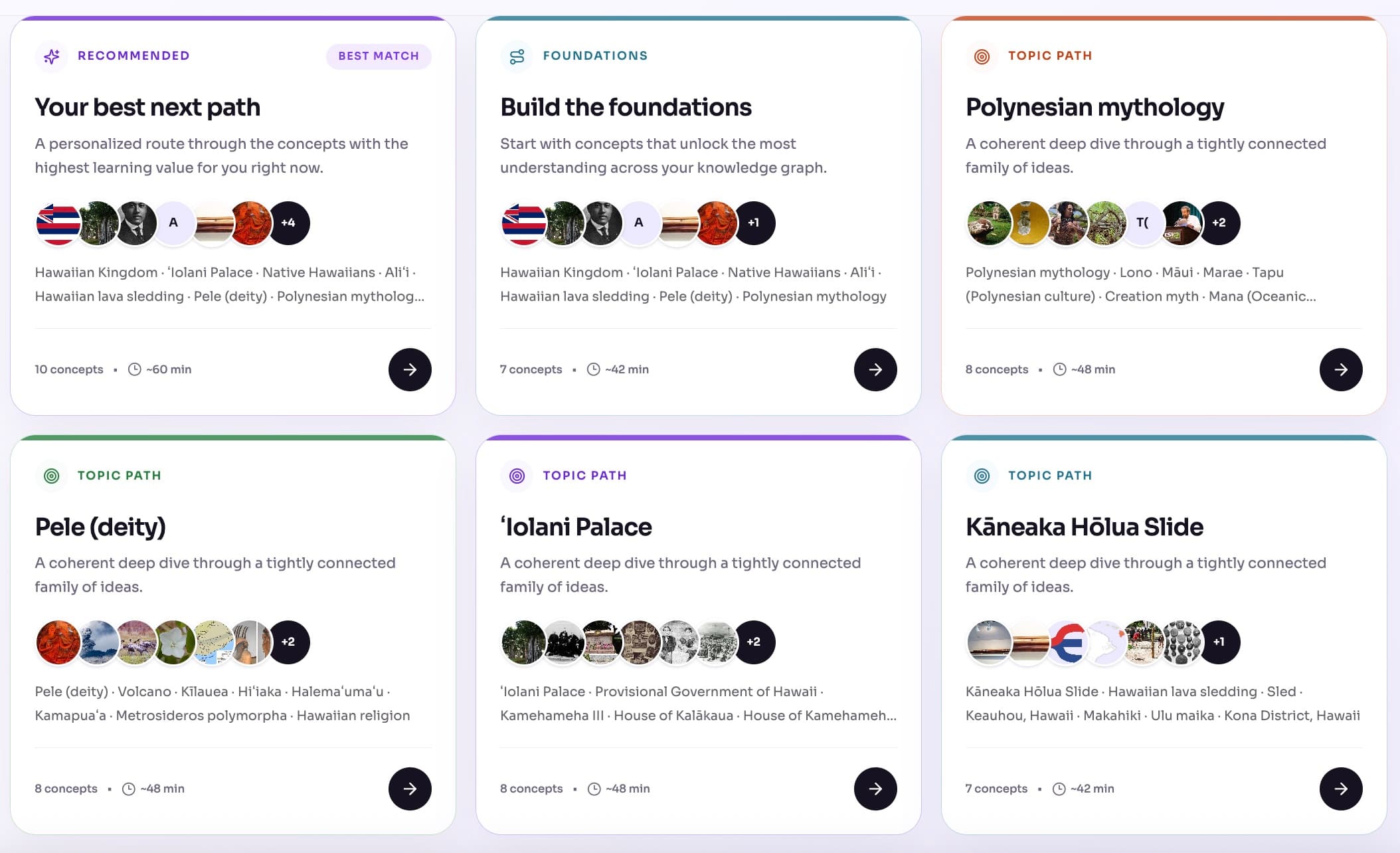 02
Start learning history with one question. Choose a source, map the people and turning points, and build a habit that fits your curiosity.
Read the guide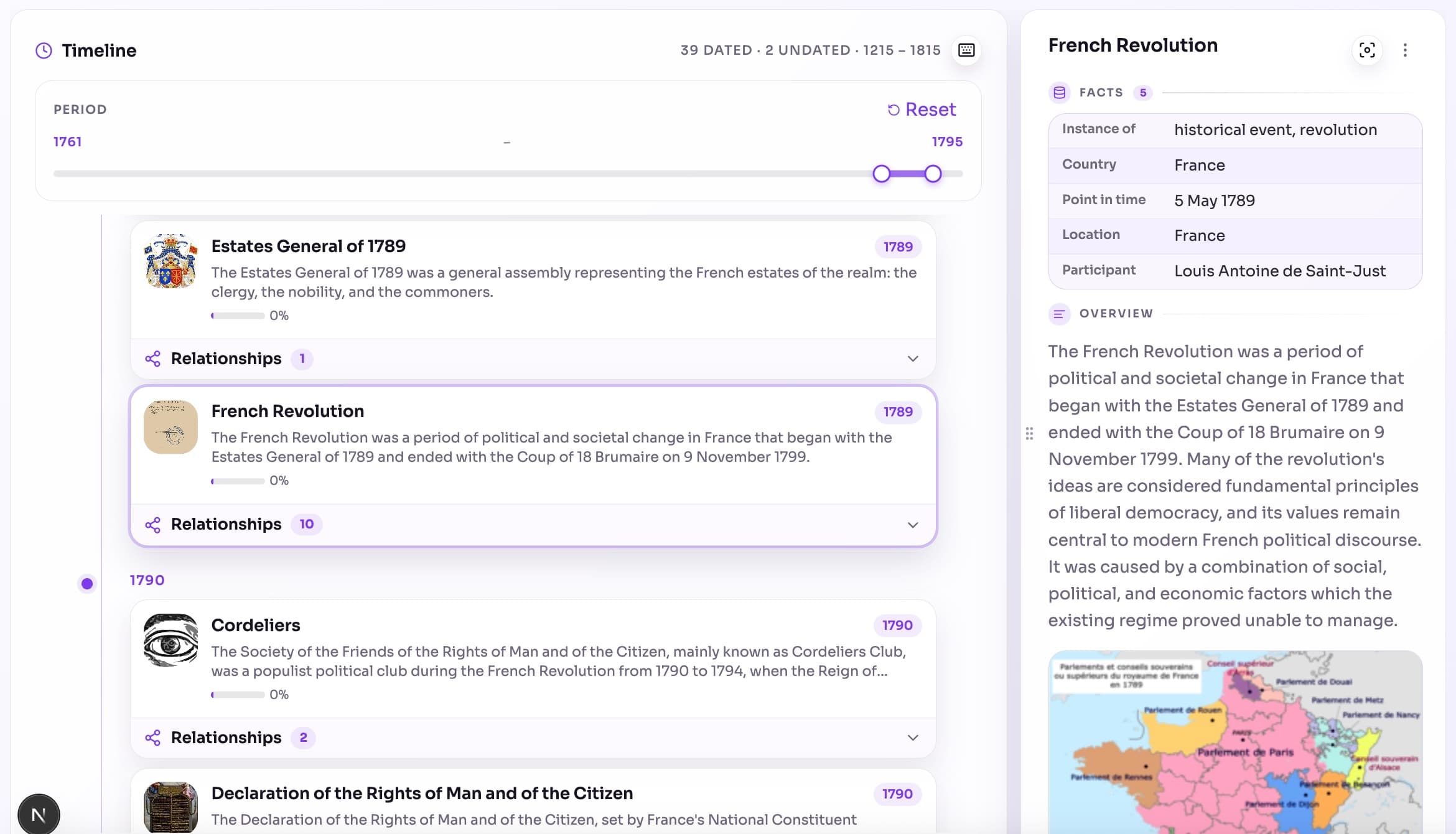 03
Create a history timeline that explains what happened and why. Connect dated events, check sources, and explore the same story on a map.
Read the guide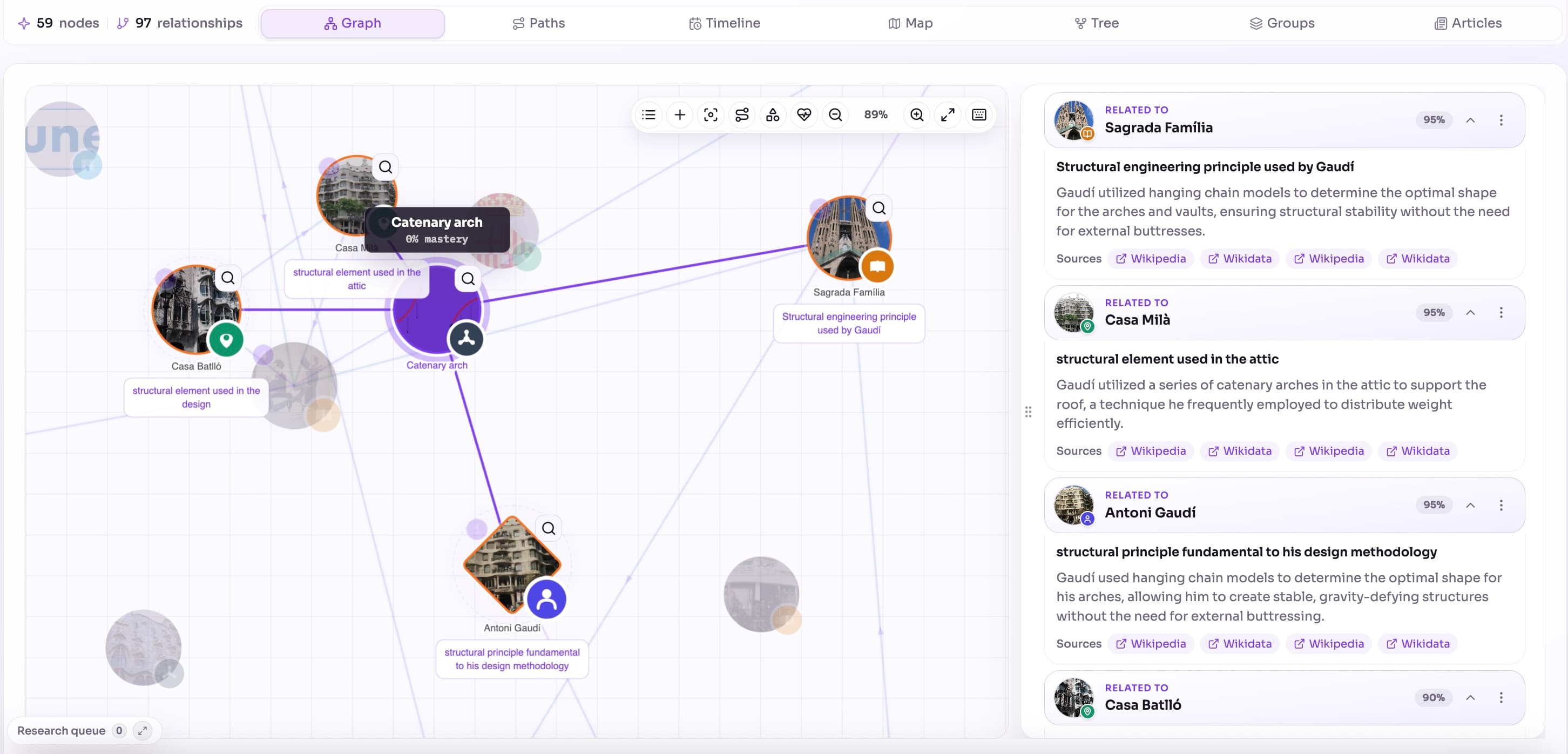 04
In the age of AI, critical thinking matters more than ever. Discover how people, events, and ideas connect. Understand history, question it, and test what you know with review questions.
 05
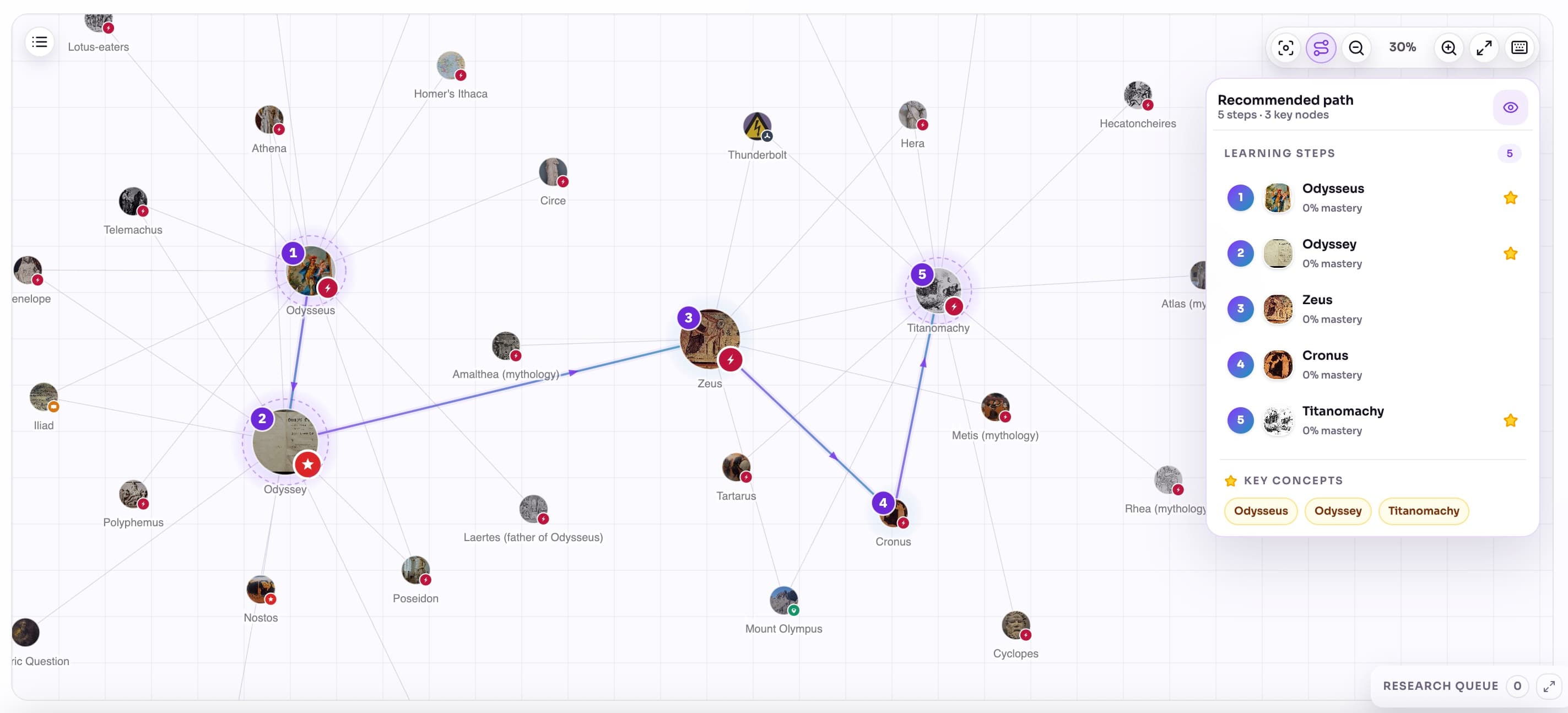
Memory keeps what it uses. Aristotree turns what you accept into recall questions that return right before you would forget. This is what makes history stick.
 06
History sticks as sequence: causes, consequences, turning points. Aristotree reviews those connections instead of drilling isolated dates.
 07
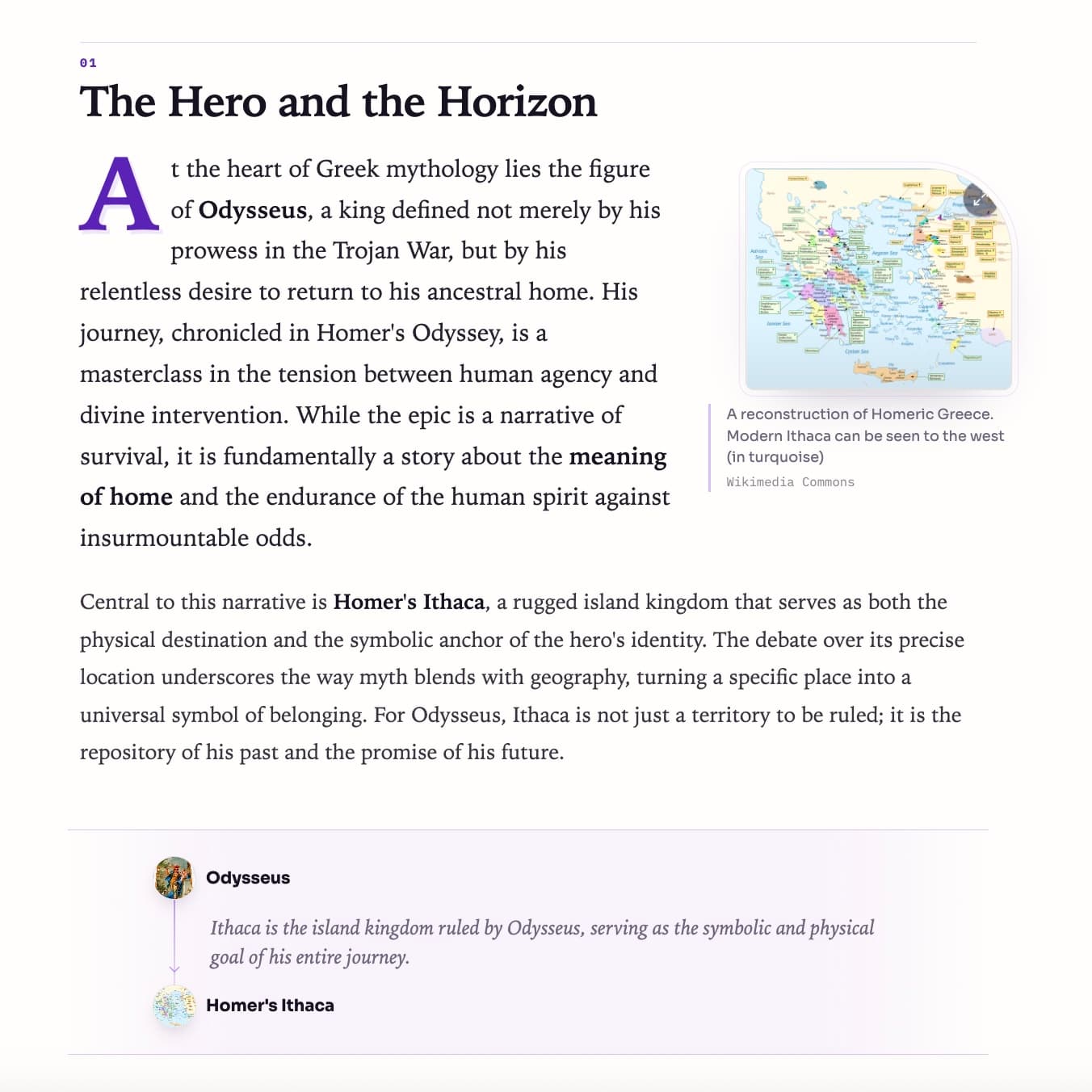
Select concepts from your graph and turn them into a article in a magazine format. Aristotree weaves their connections into the story, with sourced visuals and callouts that explain why the ideas belong together.
Read the guide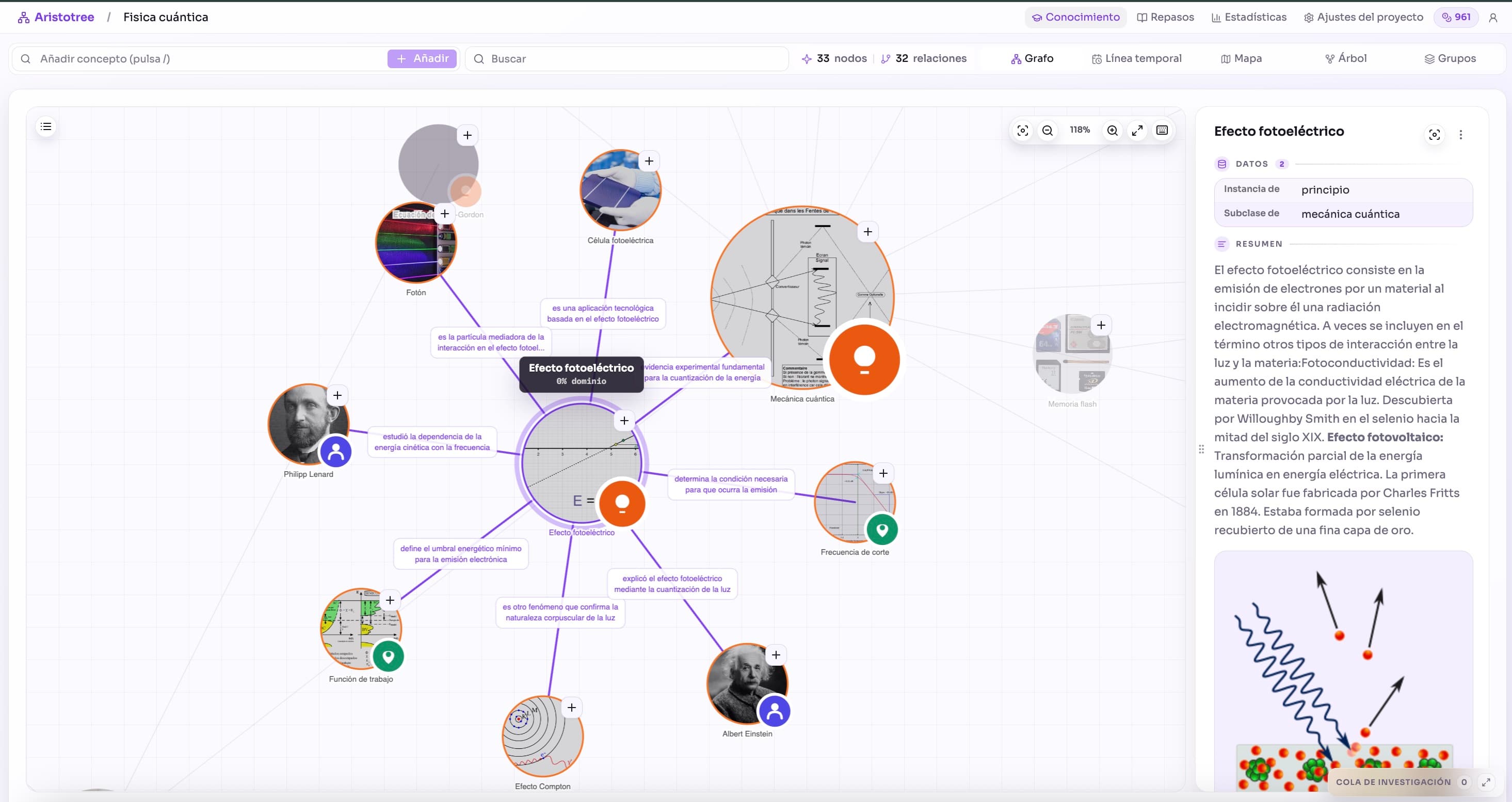 08
Aristotree connects each new discovery to what you already know, and a graph you build yourself is exactly what memory holds on to.
Read the guide09Episodes are easy to lose. Aristotree connects their people and arguments to history you already understand, then reviews them before they fade.
10Photograph the labels you care about and let Aristotree turn them into connected concepts (makers, moments, places) so the visit becomes a graph you review before it fades.
Read the guide